Retaining customers is paramount for business success. It’s significantly more cost-effective to keep existing clients than to constantly acquire new ones. This guide explores proven strategies to boost your customer retention rates, focusing on proactive engagement, exceptional service, and data-driven improvements. We’ll delve into practical steps to understand your current retention levels, refine your onboarding process, and cultivate lasting relationships with your customer base.
From optimizing communication channels and leveraging loyalty programs to analyzing customer feedback and implementing meaningful changes, we’ll provide a comprehensive roadmap for achieving sustainable growth through increased customer loyalty. This involves not just reacting to issues, but proactively anticipating and addressing potential challenges before they impact your retention metrics.
Understanding Current Customer Retention Rates
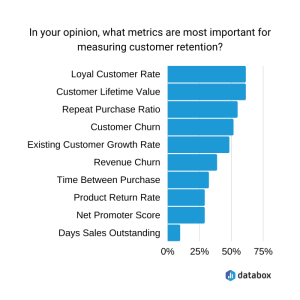
Understanding your current customer retention rate is the cornerstone of any successful retention strategy. It provides a clear benchmark against which to measure the effectiveness of your initiatives and allows you to identify areas needing improvement. Without this foundational knowledge, efforts to improve retention become largely guesswork. A robust understanding requires both calculating the rate and analyzing the underlying reasons for customer churn.Calculating your customer retention rate involves determining the percentage of customers retained over a specific period.
A common formula is: [(Number of Customers at the End of Period - Number of New Customers Acquired During the Period) / Number of Customers at the Beginning of Period]
- 100. This provides a percentage reflecting the proportion of customers who remained with your business. However, simply knowing the rate isn’t enough; understanding
- why* customers leave is crucial.
Customer Churn Analysis
Analyzing customer churn involves investigating the reasons behind customer attrition. This often requires a combination of quantitative and qualitative data. Quantitative data might come from surveys, transactional records showing declining purchase frequency, or support ticket analysis identifying recurring issues. Qualitative data can be gathered through customer interviews, focus groups, or feedback forms. By combining these data sources, a comprehensive picture of the drivers of churn emerges.
For example, a high volume of negative reviews citing poor customer service might suggest a need for service training or process improvements. Conversely, a decline in purchase frequency might indicate a lack of engagement or a need for more targeted marketing.
Examples of Successful Customer Retention Strategies
Several businesses have demonstrated success in improving customer retention. For instance, SaaS companies often employ strategies like onboarding tutorials, regular product updates reflecting customer feedback, and proactive customer support to reduce churn. Retailers might use loyalty programs, personalized recommendations, and exclusive offers to encourage repeat purchases. In the hospitality industry, personalized service, exceptional guest experiences, and post-stay follow-ups are frequently employed.
These strategies focus on building strong customer relationships, addressing customer needs effectively, and providing value beyond the initial transaction. Analyzing the successes of similar businesses in your sector can provide valuable insights into effective strategies.
Analyzing Customer Feedback and Implementing Changes
Understanding and acting upon customer feedback is crucial for improving customer retention. By systematically analyzing feedback from various sources, businesses can identify areas for improvement and implement changes that directly address customer needs and concerns, ultimately fostering loyalty and reducing churn. This process involves more than simply reading reviews; it requires a structured approach to data analysis and action planning.Analyzing customer feedback involves a multi-faceted approach.
It’s not enough to simply collect data; you must effectively process and interpret it to gain actionable insights. This includes carefully examining data from multiple channels, such as customer surveys, online reviews (e.g., Google Reviews, Yelp, Trustpilot), and interactions with customer support teams (emails, phone calls, chat logs). The goal is to identify recurring themes, pinpoint specific pain points, and understand the overall sentiment towards your product or service.
Analyzing Feedback Sources
Analyzing customer feedback requires a systematic approach across different channels. For surveys, quantitative data (e.g., Net Promoter Score, Customer Satisfaction Score) provides a high-level overview. Qualitative data from open-ended survey questions and reviews reveals specific details about customer experiences. Support interactions offer real-time insights into immediate issues and frustrations. By combining these data sources, a more comprehensive understanding of customer sentiment emerges.
For example, consistently low scores on a survey question about website navigation, coupled with numerous negative reviews mentioning website difficulties, strongly indicates a need for website redesign or improvement.
Turning Negative Feedback into Opportunities
Negative feedback, while initially discouraging, provides invaluable opportunities for improvement. Instead of viewing negative comments as criticisms, consider them as signals pointing towards areas needing attention. For instance, if several customers complain about slow delivery times, this highlights a potential problem with the logistics process. Similarly, recurring complaints about a confusing product feature indicate a need for improved documentation or product redesign.
By addressing these issues, you not only improve customer satisfaction but also prevent future negative experiences and potentially increase positive word-of-mouth referrals.
Implementing Changes and Monitoring Impact
Implementing changes based on customer feedback requires a structured process. This involves prioritizing identified issues, assigning responsibility, and establishing timelines for implementation. Tracking the impact of these changes is equally crucial to ensure effectiveness. The following table Artikels a sample process:
| Stage | Action | Responsible Party | Timeline |
|---|---|---|---|
| Prioritization | Analyze feedback data to identify top issues based on frequency, severity, and potential impact on retention. | Customer Success Manager/Product Manager | 1 week |
| Planning | Develop solutions to address prioritized issues. This may involve process improvements, product updates, or new training materials. | Relevant Team (e.g., Engineering, Marketing, Support) | 2-4 weeks |
| Implementation | Roll out the planned changes. This could involve software updates, process changes, or new training programs. | Relevant Team (e.g., Engineering, Marketing, Support) | 4-8 weeks |
| Monitoring | Track key metrics (e.g., customer satisfaction, churn rate, support tickets) to assess the impact of the implemented changes. | Data Analyst/Customer Success Manager | Ongoing |
| Iteration | Based on monitoring results, iterate on the implemented changes or develop new solutions to further address customer needs. | Relevant Team | Ongoing |
Proactive Customer Support and Relationship Building
Proactive customer support is a crucial element in boosting customer retention. Instead of simply reacting to problems, proactively anticipating and addressing potential issues demonstrates a commitment to customer satisfaction and builds stronger relationships. This approach fosters loyalty and reduces customer churn significantly.Proactive customer support involves more than just efficient problem-solving; it’s about building genuine connections with customers. By understanding their needs and preferences, businesses can tailor their interactions and create a personalized experience that strengthens the customer-business relationship.
This proactive approach not only resolves issues before they escalate but also strengthens the overall customer experience.
Strategies for Proactive Issue Identification and Resolution
Several strategies can be implemented to proactively identify and address potential customer issues. Analyzing customer data, utilizing feedback mechanisms, and employing predictive analytics are key components of a proactive support system. This allows businesses to anticipate problems before they impact customers.
- Data Analysis: Regularly reviewing customer data, such as purchase history, website activity, and support tickets, can reveal patterns and trends indicating potential issues. For example, a spike in returns for a specific product might signal a quality control problem needing immediate attention.
- Feedback Mechanisms: Implementing robust feedback mechanisms, including surveys, reviews, and social media monitoring, provides valuable insights into customer satisfaction and areas for improvement. Actively soliciting and analyzing this feedback allows for timely intervention and problem resolution.
- Predictive Analytics: Using predictive analytics tools, businesses can identify customers at high risk of churning based on their behavior and engagement. This allows for targeted interventions, such as personalized offers or proactive support contacts, to retain these customers.
Examples of Personalized Communication
Personalized communication is essential for building strong customer relationships. It demonstrates that the business values individual customers and understands their unique needs.
- Targeted Emails: Sending emails based on customer purchase history or browsing behavior can offer relevant product recommendations or special offers, fostering engagement and loyalty. For instance, an email suggesting complementary products after a recent purchase shows thoughtfulness and increases the chance of repeat business.
- Personalized Website Content: Tailoring website content to individual customer preferences, such as displaying relevant products or articles based on past interactions, enhances the user experience and builds a sense of personalization. Imagine a website displaying relevant travel suggestions based on a customer’s previously booked trips.
- Proactive Support Calls: Reaching out to customers who are experiencing technical difficulties or facing challenges with a product or service shows a commitment to their success and builds trust. A proactive call to assist with software setup or offer troubleshooting assistance demonstrates a higher level of customer care.
Building Trust and Rapport with Customers
Building trust and rapport is fundamental to successful customer retention. It’s about demonstrating empathy, providing exceptional service, and consistently exceeding expectations.
“Trust is earned, not given.”
This applies directly to customer relationships. Transparency, honesty, and consistent follow-through are crucial for building trust. Responding promptly to inquiries, resolving issues efficiently, and proactively addressing concerns are essential for fostering a strong customer-business relationship. Actively listening to customer feedback and demonstrating a genuine interest in their needs also strengthens this bond. A business that consistently demonstrates integrity and reliability will cultivate customer loyalty.
Improving customer retention is an ongoing process that requires consistent effort and a commitment to understanding your customer’s needs. By implementing the strategies Artikeld in this guide—from enhancing onboarding and communication to leveraging data-driven insights and exceptional customer service—you can significantly improve your customer retention rates and build a loyal, profitable customer base. Remember that continuous monitoring, analysis, and adaptation are key to long-term success.
Focus on building genuine relationships and exceeding expectations, and you’ll see the positive impact on your bottom line.
FAQ Compilation
What are some common reasons for customer churn?
Poor customer service, lack of engagement, high prices, competition, and negative experiences are frequent causes of customer churn.
How can I measure the effectiveness of my customer retention strategies?
Track key metrics such as customer lifetime value (CLTV), customer churn rate, and net promoter score (NPS) to gauge the success of your efforts.
How often should I communicate with my customers?
The frequency depends on your industry and customer preferences. Find a balance between staying top-of-mind and avoiding overwhelming your customers.
What tools can help me improve customer retention?
CRM software, customer feedback tools, and analytics dashboards are valuable resources for managing and improving customer retention.