Mastering customer service is crucial for managers, impacting not only team performance but also the overall success of the organization. This guide delves into the essential skills managers need to cultivate, from leading by example and empowering their teams to effectively handling complaints and leveraging technology to enhance service delivery. We’ll explore strategies for measuring and improving customer service performance, ultimately fostering a culture of customer-centricity.
This exploration covers the nuances of managerial customer service, differentiating it from individual contributor roles. We’ll examine practical strategies for effective delegation, constructive feedback mechanisms, and the implementation of successful customer retention programs. The role of technology, particularly CRM systems and social media, in optimizing customer service will also be thoroughly examined.
Defining Effective Customer Service for Managers
Effective customer service for managers transcends simply handling customer complaints; it’s about fostering a culture of customer-centricity within the entire team. It involves strategic decision-making, proactive problem-solving, and leading by example to ensure consistent, high-quality customer interactions at all levels.
Core Competencies of Managers Excelling in Customer Service
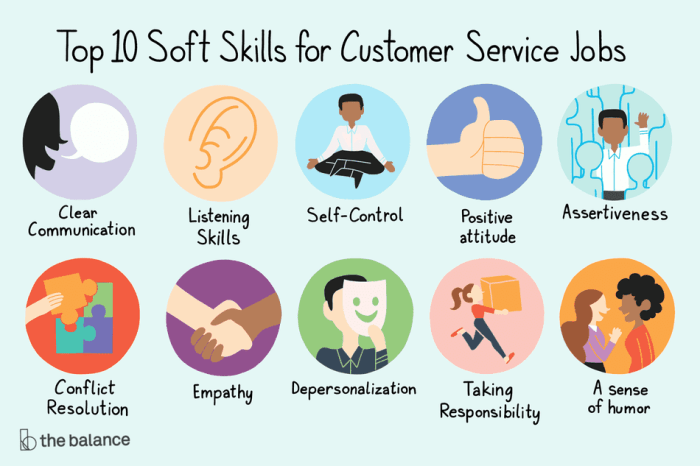
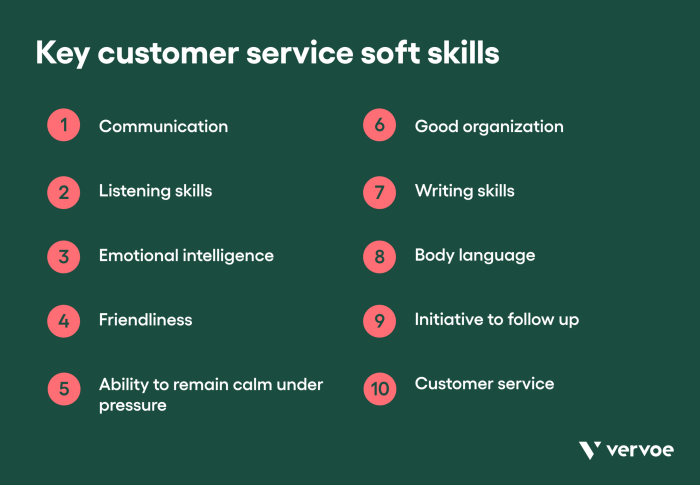
Managers who excel in customer service possess a unique blend of skills. They are not only adept at resolving individual customer issues but also at strategically shaping the team’s approach to customer relations. These competencies include strong communication, empathy, and conflict-resolution skills. Furthermore, they demonstrate a proactive approach to anticipating customer needs and actively seeking feedback to continuously improve service delivery.
They are also adept at empowering their team members to confidently and effectively handle customer interactions. Finally, they possess a deep understanding of the company’s customer service policies and procedures and ensure consistent application across the team.
Differences Between Individual Contributor and Managerial Customer Service Skills
While both individual contributors and managers require strong customer service skills, their applications differ significantly. Individual contributors focus on direct customer interaction, resolving immediate issues, and building rapport. Managerial customer service, however, extends beyond direct interaction. Managers focus on strategic planning, team training, performance management, and creating a supportive environment where excellent customer service is consistently delivered. They are responsible for setting the tone, providing resources, and ensuring the team has the tools and training necessary to succeed.
The difference lies in scope and responsibility; individual contributors handle individual customer interactions, while managers oversee the entire customer service process and team performance.
Impact of a Manager’s Customer Service on Team Performance and Company Success
A manager’s commitment to customer service significantly influences team performance and overall company success. When managers prioritize customer satisfaction, their teams are more likely to be motivated, engaged, and focused on delivering exceptional service. This positive atmosphere fosters loyalty and reduces employee turnover. Furthermore, excellent customer service leads to increased customer retention, positive word-of-mouth referrals, and ultimately, improved profitability.
Conversely, poor managerial customer service can create a ripple effect, negatively impacting employee morale, customer satisfaction, and the company’s bottom line.
Examples of Negative Impacts of Poor Managerial Customer Service
Consider a scenario where a manager consistently dismisses customer feedback or fails to adequately address team concerns regarding customer issues. This can lead to decreased team morale, increased employee stress, and ultimately, a decline in service quality. Customers may experience longer wait times, unresolved issues, and a general lack of responsiveness. For instance, if a manager fails to provide adequate training or resources to their team, leading to repeated customer service failures, this directly impacts customer satisfaction and negatively reflects on the company’s reputation.
Another example would be a manager who consistently sides with the company over the customer, even in cases of legitimate customer complaints. This can damage customer relationships and create a hostile work environment for employees who are expected to deal with the fallout.
Leading by Example
Managers play a crucial role in shaping the customer service culture within their teams. Their actions and behaviors directly influence how employees interact with customers, making leading by example paramount to success. By consistently demonstrating excellent customer service themselves, managers establish clear expectations and inspire their teams to follow suit.Effective customer service isn’t simply about following procedures; it’s about building genuine connections with customers.
This involves actively listening to their concerns, understanding their perspectives, and responding with empathy and solutions. When managers embody these qualities, they create a positive ripple effect, fostering a customer-centric environment throughout the organization.
Active Listening and Empathetic Communication in Management
Active listening goes beyond simply hearing what a customer says; it involves fully understanding their message, both verbal and nonverbal. This requires paying close attention to their tone, body language, and the underlying emotions they express. Empathetic communication, on the other hand, demonstrates understanding and concern for the customer’s situation. It involves acknowledging their feelings, validating their experiences, and showing genuine care for their well-being.
Managers who consistently practice both active listening and empathetic communication build trust and rapport with customers, resolving issues more effectively and creating positive lasting impressions.
Training Program Module: Active Listening and Conflict Resolution
This module will focus on equipping managers with the skills to handle customer interactions effectively. The training will incorporate role-playing exercises, real-life case studies, and interactive discussions. The active listening section will cover techniques such as paraphrasing, reflecting feelings, and asking clarifying questions. Participants will learn to identify nonverbal cues and understand how to respond appropriately. The conflict resolution section will cover strategies for de-escalating tense situations, finding mutually acceptable solutions, and maintaining a professional demeanor under pressure.
The module will also cover different communication styles and how to adapt to various customer personalities. Assessment will include both written and practical evaluations, ensuring managers can apply learned techniques effectively.
Scenario: Effective Problem-Solving in Customer Service
Imagine Sarah, a manager at a furniture store, receives a call from an upset customer, Mr. Jones, whose recently delivered sofa has a significant tear in the fabric. Instead of becoming defensive, Sarah actively listens to Mr. Jones’ frustration, validating his disappointment. She paraphrases his concerns, ensuring she understands the issue completely: “So, Mr.
Jones, if I understand correctly, you received your new sofa yesterday, and there’s a noticeable tear in the fabric, causing significant disappointment.” She avoids interrupting and allows him to fully express his concerns.Next, Sarah apologizes for the inconvenience and assures Mr. Jones that she will personally handle the situation. She doesn’t make promises she can’t keep, but she Artikels the steps she’ll take to resolve the problem.
She explains that she will arrange for a technician to inspect the sofa and either repair the damage or replace it, depending on the assessment. She provides a timeframe for the next steps and follows up with Mr. Jones regularly to keep him informed of the progress. Through empathetic communication and proactive problem-solving, Sarah transforms a negative experience into a positive one, strengthening the customer relationship and showcasing exemplary customer service.
Empowering Teams to Deliver Superior Customer Service
Effective customer service isn’t solely the responsibility of frontline staff; it’s a collaborative effort driven by strong managerial leadership. Empowering your team to consistently deliver exceptional service requires strategic delegation, robust performance measurement, comprehensive training, and constructive feedback mechanisms. This section details key strategies for achieving this empowerment.
Delegating Customer Service Tasks and Responsibilities
Effective delegation is crucial for distributing workload, fostering individual growth, and ensuring consistent service quality. Managers should assess team members’ skills and experience to assign tasks appropriately. Clear expectations, defined responsibilities, and readily available support systems are essential for successful delegation. For instance, a manager might delegate initial customer contact to junior team members for experience building, while reserving escalated complaints for senior staff with greater expertise in conflict resolution.
This approach allows for skill development while maintaining a high level of service across all interactions. Regular check-ins and open communication channels ensure tasks remain on track and that team members receive the necessary guidance.
Key Performance Indicators (KPIs) for Measuring Team Customer Service Success
Tracking relevant KPIs provides quantifiable data on team performance and identifies areas for improvement. These metrics should be aligned with overall business objectives and customer satisfaction goals. Examples of effective KPIs include customer satisfaction scores (CSAT), Net Promoter Score (NPS), average resolution time, first contact resolution rate, and customer churn rate. By regularly monitoring these KPIs, managers can gain valuable insights into team effectiveness and identify trends that require attention.
For example, a consistently low CSAT score might indicate a need for additional training on handling specific customer concerns, while a high average resolution time could highlight inefficiencies in internal processes.
Organizing a Customer Service Training Program
A well-structured training program is essential for equipping team members with the necessary skills and knowledge to deliver superior customer service. This program should cover various aspects, including communication skills (active listening, empathy, clear articulation), problem-solving techniques, product knowledge, company policies, and conflict resolution strategies. Delivery methods can include a mix of online modules, workshops, role-playing exercises, and on-the-job coaching.
For example, a company might use online modules for foundational product knowledge, followed by in-person workshops focusing on active listening and conflict resolution techniques, with ongoing coaching provided by experienced team members. Regular refresher training should be implemented to ensure knowledge remains current and best practices are reinforced.
Providing Customer Service Feedback to Team Members
Constructive feedback is crucial for improving individual and team performance. Different approaches exist, each with its own advantages and disadvantages. The most effective approach often involves a combination of methods tailored to the individual and the situation.
| Method | Pros | Cons | Example |
|---|---|---|---|
| One-on-One Meetings | Allows for personalized feedback, open dialogue, and immediate clarification. | Time-consuming, requires dedicated manager time. | “During our last call with Mr. Smith, I noticed you became slightly defensive. Let’s discuss strategies for handling challenging customers.” |
| Formal Performance Reviews | Provides a structured framework for assessing overall performance, setting goals, and documenting progress. | Can feel impersonal and infrequent, feedback may be delayed. | “Your customer satisfaction scores have consistently been above average this quarter. Let’s discuss how we can maintain this high level of performance.” |
| Peer Feedback | Offers diverse perspectives, promotes teamwork, and can foster a culture of continuous improvement. | May be biased or subjective if not properly structured. | “Sarah, I noticed your calm demeanor when dealing with upset customers. Your approach is a great example for others on the team.” |
| 360-Degree Feedback | Provides a holistic view of performance from multiple perspectives (customers, peers, supervisors). | Requires significant time and resources to collect and analyze feedback. | “Your 360-degree feedback highlights your strong technical skills, but also suggests opportunities for improvement in communication clarity.” |
Managing Customer Complaints and Resolving Conflicts
Effective management of customer complaints and conflict resolution are crucial for maintaining positive customer relationships and brand reputation. A well-defined process ensures consistent handling of issues, minimizes negative impact, and fosters loyalty. This section Artikels a structured approach to address escalated complaints and navigate challenging customer interactions.
A Step-by-Step Procedure for Handling Escalated Customer Complaints
Handling escalated complaints requires a systematic approach. The following steps provide a framework for managers to address these situations effectively and efficiently. Consistent application of this process builds trust and demonstrates a commitment to customer satisfaction.
- Active Listening and Empathy: Begin by actively listening to the customer’s complaint without interruption. Show empathy and validate their feelings. Acknowledge their frustration and let them know you understand their perspective.
- Gather Information: Once the customer has expressed their concerns, gather all necessary information. This includes details about the issue, the timeline of events, and any previous attempts to resolve the problem. Take thorough notes.
- Apologize Sincerely (When Appropriate): If the company is at fault, offer a sincere apology. Even if the company isn’t directly responsible, apologizing for the customer’s negative experience can go a long way in de-escalating the situation. Avoid making excuses.
- Propose a Solution: Based on the gathered information, propose a solution that addresses the customer’s concerns. This might involve a refund, replacement, repair, or other form of compensation. Clearly explain the proposed solution and its timeline.
- Follow Up: After implementing the solution, follow up with the customer to ensure they are satisfied. This demonstrates a commitment to resolving the issue completely and builds trust.
De-escalating Tense Situations with Upset Customers
De-escalation techniques are essential for managing interactions with upset customers. The goal is to calm the customer and find a mutually acceptable resolution. Maintaining a calm and professional demeanor is paramount.
- Maintain a Calm Tone: Speak in a calm, reassuring voice, even if the customer is shouting or being aggressive. Mirroring their tone will only escalate the situation.
- Use Empathetic Language: Use phrases that show understanding and validation, such as “I understand your frustration,” or “I can see why you’re upset.”
- Validate Their Feelings: Acknowledge the customer’s emotions without necessarily agreeing with their assessment of the situation. Simply acknowledging their feelings can help diffuse tension.
- Repeat and Summarize: Periodically repeat and summarize the customer’s concerns to ensure you understand their perspective and that they feel heard.
- Offer Control: Give the customer some sense of control over the situation, such as offering choices within the realm of possible solutions.
Mediating Conflicts Between Team Members and Customers
Managers often act as mediators between team members and customers. This requires impartiality and a focus on finding a solution that satisfies all parties.
Effective mediation involves actively listening to all perspectives, identifying the root cause of the conflict, and facilitating a collaborative discussion to reach a resolution. Managers should ensure that all parties feel heard and respected, even if they disagree on the details. The manager’s role is to guide the conversation towards a constructive outcome, not to take sides.
Flowchart for Resolving Customer Complaints
The following describes a flowchart for resolving customer complaints. Imagine a flowchart with boxes and arrows.
Start: Customer complaint received. → Assess Complaint: Is it simple or escalated? → Simple Complaint: Frontline staff resolves. → Escalated Complaint: Manager intervenes. → Active Listening & Information Gathering: Manager gathers details and listens empathetically.
→ Apologize (if necessary): Offer a sincere apology. → Propose Solution: Offer a suitable solution. → Implement Solution: Execute the chosen solution. → Follow Up: Check customer satisfaction. → End: Complaint resolved.
Customer Service and Customer Retention Strategies
Exceptional customer service is not merely a desirable trait; it’s a cornerstone of sustainable business growth. A direct correlation exists between providing outstanding customer experiences and fostering higher customer retention rates. Investing in robust customer service strategies translates to increased profitability and a stronger brand reputation over the long term.The link between excellent customer service and increased customer retention is undeniable.
Customers who feel valued and understood are far more likely to remain loyal to a brand. Conversely, negative experiences can quickly lead to customer churn, impacting revenue and requiring significant effort to regain lost business. This section explores strategies to leverage customer service as a powerful tool for retention.
The Long-Term Benefits of Investing in Customer Service Training and Development
Investing in comprehensive customer service training programs offers substantial long-term returns. Well-trained employees are better equipped to handle customer inquiries efficiently, resolve issues effectively, and build positive relationships. This leads to improved customer satisfaction, reduced customer churn, and ultimately, increased profitability. The initial investment in training pays for itself many times over through enhanced operational efficiency and reduced costs associated with customer acquisition and recovery.
Furthermore, a culture of excellent customer service fosters employee engagement and reduces staff turnover.
Strategies for Identifying and Addressing the Root Causes of Customer Churn
Understanding why customers leave is crucial for improving retention. Analyzing customer feedback, conducting exit interviews, and monitoring key performance indicators (KPIs) like customer satisfaction (CSAT) scores and Net Promoter Score (NPS) can reveal patterns and pinpoint the root causes of churn. Common causes include poor product quality, inefficient processes, unresponsive customer service, and lack of personalized attention. Addressing these issues requires a multifaceted approach, including process improvements, product enhancements, and enhanced customer service training.
Proactive monitoring and analysis are key to preventing future churn.
Examples of Successful Customer Retention Programs
Several companies have successfully implemented programs to enhance customer retention. These initiatives demonstrate the tangible benefits of investing in customer service and loyalty programs.
- Amazon’s Prime Membership: Amazon’s Prime program offers free shipping, streaming services, and other benefits, incentivizing customers to remain loyal and make repeat purchases. The program’s success lies in its value proposition and seamless integration into the customer experience.
- Starbucks’ Rewards Program: Starbucks’ rewards program allows customers to earn points for purchases, redeem rewards, and receive personalized offers. This fosters customer loyalty and encourages repeat visits by rewarding customers for their patronage.
- Sephora’s Beauty Insider Program: Sephora’s tiered loyalty program offers exclusive perks, birthday gifts, and early access to new products based on customer spending levels. This strategy cultivates a sense of community and rewards loyal customers with exclusive benefits.
Measuring and Improving Customer Service Performance
Effective measurement and improvement of customer service performance are crucial for sustained business success. Understanding customer sentiment, identifying weaknesses, and implementing targeted changes are key components of a robust customer service strategy. By systematically gathering and analyzing data, businesses can pinpoint areas for improvement and optimize their operations to enhance customer satisfaction and loyalty.Gathering customer feedback and analyzing customer satisfaction data provides invaluable insights into the effectiveness of customer service operations.
This data-driven approach allows for objective evaluation and informed decision-making, moving beyond subjective assessments and fostering a culture of continuous improvement.
Methods for Gathering Customer Feedback
Several methods exist for gathering customer feedback, each offering unique advantages. These methods allow businesses to capture a broad spectrum of customer experiences and identify trends. Choosing the right combination of methods depends on the specific goals and resources of the organization.
- Surveys: Online, phone, or mail surveys allow for structured data collection, enabling statistical analysis and trend identification. For example, a post-interaction survey could ask customers to rate their satisfaction with specific aspects of the service, such as speed of response, agent helpfulness, and resolution of their issue. This allows for quantifiable data on specific areas of strength and weakness.
- Feedback Forms: Online or physical feedback forms provide a space for customers to share more detailed, qualitative feedback. These forms can include open-ended questions, allowing customers to express their experiences in their own words. Analyzing the themes and sentiments expressed in these responses can reveal areas needing attention.
- Social Media Monitoring: Monitoring social media platforms for mentions of the brand allows businesses to identify customer issues and sentiments in real-time. This provides an opportunity for quick responses and proactive problem-solving. For instance, a negative tweet about a slow response time can be addressed immediately, mitigating potential damage to the brand’s reputation.
- Customer Reviews and Ratings: Websites like Yelp and Google My Business allow customers to leave reviews and ratings, providing valuable feedback on overall satisfaction. Analyzing these reviews can reveal common issues and areas needing improvement.
Analyzing Customer Satisfaction Data
Once feedback is gathered, it must be analyzed to identify key trends and areas for improvement. This analysis should be both quantitative and qualitative, incorporating both numerical data and textual feedback.
Quantitative analysis involves using statistical methods to identify patterns and trends in numerical data gathered from surveys and feedback forms. For example, average satisfaction scores can be calculated and compared across different customer segments or service channels. This data helps identify which aspects of the service are performing well and which require attention.
Qualitative analysis involves examining textual feedback from open-ended questions, customer reviews, and social media comments. This analysis aims to understand the underlying reasons for customer satisfaction or dissatisfaction. Techniques like thematic analysis can be used to identify recurring themes and sentiments in the feedback.
Strategies for Identifying Areas for Improvement
By combining quantitative and qualitative data analysis, businesses can identify specific areas for improvement in their customer service operations.
For instance, consistently low scores on “resolution time” in customer surveys might indicate a need for improved training for service agents or streamlining of internal processes. Similarly, recurring negative comments about unhelpful agents in online reviews might suggest the need for more comprehensive agent training or better agent-customer matching based on customer needs.
Implementing Changes Based on Customer Feedback Analysis
Implementing changes based on customer feedback requires a structured approach. This involves developing an action plan that Artikels specific steps to address identified issues.
For example, if analysis reveals that customers are dissatisfied with the wait times on hold, the action plan might include implementing a call-back system, increasing the number of customer service representatives, or optimizing the phone system. Each action should have a defined timeline and responsible party, allowing for tracking of progress and accountability.
Regular monitoring and evaluation of the implemented changes are essential to ensure their effectiveness. This continuous improvement cycle ensures that customer service operations remain aligned with customer expectations and contribute to overall business success.
Ultimately, exceptional customer service skills are not merely beneficial for managers; they are essential for organizational success. By embracing the principles Artikeld here—leading by example, empowering teams, effectively managing complaints, and leveraging technology—managers can cultivate a customer-centric culture that drives loyalty, retention, and sustainable growth. The journey towards mastering these skills is ongoing, requiring continuous learning, adaptation, and a genuine commitment to customer satisfaction.
Questions and Answers
What are the biggest challenges managers face in customer service?
Balancing the needs of customers with internal team pressures, managing conflicting priorities, and ensuring consistent service delivery across all team members are common challenges.
How can managers measure the effectiveness of their customer service training?
Track key performance indicators (KPIs) such as customer satisfaction scores (CSAT), Net Promoter Score (NPS), and resolution times. Observe changes in employee behavior and customer feedback.
How do I handle a customer complaint from a difficult or abusive customer?
Remain calm and empathetic, actively listen to their concerns, and attempt to de-escalate the situation. If necessary, involve a senior manager or supervisor to assist in resolving the issue.
What are some common mistakes managers make in customer service?
Failing to lead by example, neglecting employee training, inconsistent application of service standards, and a lack of responsiveness to customer feedback are common pitfalls.


