
In today’s fiercely competitive e-commerce landscape, providing exceptional customer service is no longer a luxury but a necessity for survival and thriving. A seamless and positive customer experience directly impacts brand loyalty, driving repeat business and positive word-of-mouth referrals. This exploration delves into the multifaceted nature of e-commerce customer service, examining key strategies, technological advancements, and performance measurement techniques that contribute to building a loyal customer base and achieving sustainable business growth.
From defining the characteristics of excellent service and exploring various communication channels to addressing common customer issues and leveraging technology for enhanced efficiency, this analysis provides a comprehensive framework for businesses to optimize their customer service operations. We will also examine the crucial link between exceptional customer service and increased customer retention, highlighting strategies to reduce churn and maximize the return on investment in customer service initiatives.
Handling Common Customer Service Issues
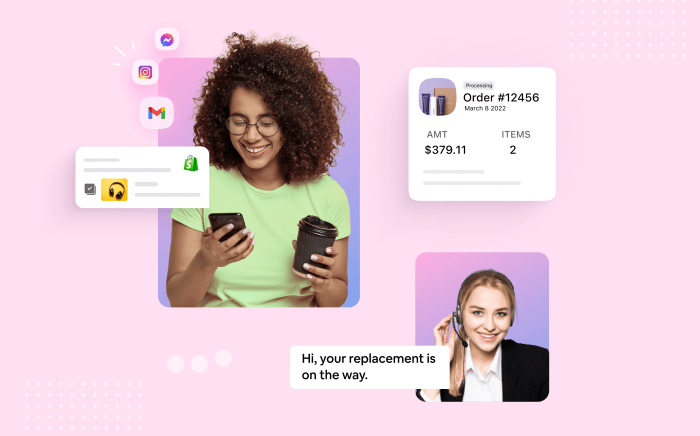
Effective customer service is crucial for e-commerce success. Addressing common issues promptly and empathetically builds trust and loyalty, while poor handling can lead to lost customers and negative brand reputation. This section Artikels strategies for navigating common challenges, ensuring positive customer experiences.
Efficiently resolving order cancellations, returns, and shipping delays requires a structured approach. Empathetic communication and clear, concise explanations are key to maintaining customer satisfaction, even during frustrating situations. Proactive management of negative reviews and online feedback can significantly mitigate potential damage to your brand’s image. Finally, understanding various communication techniques allows for de-escalation of tense situations, turning potentially negative interactions into opportunities for improved customer relationships.
Order Cancellations
Handling order cancellations requires a balance between accommodating customer requests and minimizing business impact. A clear cancellation policy, easily accessible on your website, is essential. When a customer requests a cancellation, confirm receipt of the request promptly. If the order hasn’t shipped, process the cancellation immediately and provide confirmation. If it has shipped, explain the process for return, offering prepaid shipping labels whenever possible to ease the burden on the customer.
Always maintain a professional and understanding tone, acknowledging the customer’s situation.
Returns
A straightforward and customer-friendly return policy is vital for building trust. Clearly Artikel the return window, conditions for acceptance (e.g., unworn, undamaged goods), and the refund process. Provide prepaid return labels whenever feasible to simplify the process. If a customer initiates a return, promptly acknowledge the request and provide tracking information for the return shipment. Once the returned item is received and inspected, process the refund swiftly and keep the customer updated throughout the process.
A positive return experience can turn a potentially negative situation into a positive one.
Shipping Delays
Shipping delays are unfortunately inevitable. Proactive communication is key to managing customer expectations. If a delay is anticipated, notify customers immediately, providing a revised delivery estimate. Offer alternative shipping options if available, and clearly explain the reasons for the delay without making excuses. Regular updates throughout the delay process can significantly reduce customer frustration.
Consider offering a small compensation, such as a discount on their next order, as a gesture of goodwill.
Responding to Customer Complaints
Responding to customer complaints requires empathy, efficiency, and a focus on finding solutions. Acknowledge the customer’s frustration and apologize sincerely, even if the issue wasn’t directly your company’s fault. Actively listen to their concerns and avoid becoming defensive. Offer a concrete solution, such as a refund, replacement, or discount. Follow up with the customer to ensure they are satisfied with the resolution.
For example, a response like, “I understand your frustration with the delay. I sincerely apologize for the inconvenience. We’ve expedited your shipment, and you should receive it by [date]. As a token of apology, we’ve applied a 10% discount to your next order.” demonstrates empathy and action.
Managing Negative Reviews and Online Feedback
Negative reviews are inevitable, but how you respond can significantly impact your brand’s reputation. Respond to every negative review professionally and promptly. Acknowledge the customer’s concerns, apologize for any negative experiences, and offer a solution. Avoid getting into arguments or making excuses. Publicly addressing negative reviews demonstrates your commitment to customer satisfaction and can even turn a negative experience into a positive one for potential customers.
For instance, “We’re so sorry to hear about your negative experience, [customer name]. We value your feedback and are taking steps to improve [specific area]. We’d like to offer you a [solution] to make things right.” showcases a proactive and solution-oriented approach.
De-escalating Tense Situations
De-escalating tense situations requires patience, active listening, and a focus on finding common ground. Use calm and reassuring language. Emphasize your understanding of their frustration. Repeat back their concerns to show you’re listening. Offer options and solutions.
Avoid using jargon or technical terms that could confuse the customer. If the situation remains tense, offer to connect them with a supervisor or manager. A calm and understanding approach, even in the face of anger, can diffuse tense situations and preserve the customer relationship. For example, “I understand your frustration, Mr. Smith.
Let’s work together to find a solution. Could you please explain the issue in more detail so I can better assist you?” promotes a collaborative approach.
Utilizing Technology to Enhance Customer Service
In today’s competitive e-commerce landscape, providing exceptional customer service is paramount to success. Leveraging technology is no longer optional; it’s essential for streamlining operations, improving efficiency, and ultimately, fostering customer loyalty. By integrating various technological tools, businesses can create a seamless and personalized experience that sets them apart from the competition.
AI-Powered Chatbots: Improving Efficiency and Accessibility
AI-powered chatbots offer a significant boost to customer service efficiency and accessibility. These intelligent systems can handle a large volume of routine inquiries simultaneously, freeing up human agents to focus on more complex issues. They provide 24/7 availability, ensuring customers receive immediate assistance regardless of time zone. Furthermore, chatbots can be programmed to offer personalized recommendations and solutions based on customer data, leading to a more tailored experience.
For example, a chatbot could proactively offer solutions to a common shipping query or guide a customer through the return process, all while collecting valuable data on customer preferences and pain points.
CRM Systems: Managing Customer Interactions and Data
Customer Relationship Management (CRM) systems are crucial for effectively managing customer interactions and data. These systems consolidate all customer information—from purchase history and contact details to communication logs and support tickets—in a centralized location. This allows customer service agents to access a complete view of the customer’s history, enabling them to provide more informed and personalized support. A well-implemented CRM system can significantly reduce response times, improve issue resolution rates, and identify trends in customer feedback, allowing for proactive improvements to products and services.
For instance, a CRM system might highlight a recurring issue with a specific product, prompting the company to address the problem proactively.
Integrating Customer Service Tools with E-commerce Platforms
Integrating customer service tools directly with e-commerce platforms creates a seamless and unified customer experience. This integration eliminates the need for customers to navigate between different systems, reducing friction and improving satisfaction. For example, a customer might initiate a return request directly within the e-commerce platform, with the entire process managed through the integrated customer service tool. This integration allows for real-time updates and tracking, ensuring transparency and minimizing customer frustration.
Furthermore, it allows for the collection of valuable data about the customer journey, providing insights for process optimization and improvements.
Five Technological Tools Enhancing E-commerce Customer Service
The right technology can dramatically improve customer service. Here are five tools that demonstrate this:
- Live Chat Software: Provides real-time support, allowing immediate responses to customer queries and issues. This fosters a sense of immediacy and personal connection.
- Help Desk Software: Organizes and manages customer support tickets, tracking progress and ensuring timely resolution. This ensures no issue falls through the cracks.
- Knowledge Base Software: Creates a searchable database of FAQs and troubleshooting guides, empowering customers to find solutions independently. This reduces the workload on customer service agents.
- Social Media Management Tools: Monitors social media channels for customer inquiries and feedback, enabling proactive engagement and issue resolution. This allows for direct interaction with customers where they are most active.
- Email Marketing Automation: Personalizes automated email responses, providing timely updates and proactive support to customers. This ensures consistent communication and keeps customers informed.
Measuring and Improving Customer Service Performance
Effective e-commerce relies heavily on providing excellent customer service. Understanding how well your service performs and consistently improving it is crucial for retaining customers and building a positive brand reputation. This involves carefully selecting key metrics, actively gathering feedback, and using data analysis to guide improvements.
Key Metrics for Evaluating Customer Service Effectiveness
Several key performance indicators (KPIs) provide valuable insights into the effectiveness of your e-commerce customer service. These metrics allow for a comprehensive evaluation of various aspects of service delivery, enabling focused improvement efforts. Tracking these metrics over time allows for identifying trends and measuring the impact of implemented changes.
- Customer Satisfaction (CSAT) Scores: These scores, typically gathered through surveys after customer interactions, directly measure how satisfied customers are with the service received. A high CSAT score indicates positive customer experiences. For example, a CSAT score above 90% suggests a high level of customer satisfaction.
- Average Resolution Time (ART): This metric tracks the average time it takes to resolve customer issues. A shorter ART demonstrates efficiency and prompt service. For instance, an ART of under 24 hours shows responsiveness in addressing customer concerns.
- First Contact Resolution (FCR): FCR measures the percentage of customer issues resolved on the first contact. A high FCR indicates efficient problem-solving and reduces customer frustration. Aiming for an FCR above 80% is a realistic and effective goal.
- Net Promoter Score (NPS): This metric gauges customer loyalty and willingness to recommend your business. A high NPS score suggests strong customer loyalty and positive word-of-mouth marketing. An NPS above 70 is generally considered excellent.
- Customer Effort Score (CES): CES measures how much effort customers had to expend to resolve their issues. A low CES score signifies ease of interaction and a positive customer experience. A CES score below 2 (on a scale of 1-7) indicates minimal customer effort.
Methods for Collecting Customer Feedback
Collecting customer feedback is essential for understanding their experiences and identifying areas for improvement. Employing diverse methods ensures a comprehensive picture of customer opinions and preferences.
- Post-Interaction Surveys: These surveys, sent via email after a customer service interaction, directly solicit feedback on the experience. They can be short and focused on key aspects of the interaction, such as agent helpfulness and resolution speed.
- Social Media Monitoring: Actively monitoring social media platforms for mentions of your brand allows you to identify customer concerns and address them publicly. This demonstrates responsiveness and proactiveness in addressing issues.
- Customer Reviews and Ratings: Websites like Yelp or Trustpilot provide platforms for customers to leave reviews and ratings. Analyzing these reviews can reveal recurring issues and areas for improvement.
- Focus Groups and Interviews: Conducting focus groups or individual interviews provides in-depth insights into customer experiences. These methods allow for exploring underlying reasons behind satisfaction or dissatisfaction.
- Feedback Forms on Website: Including feedback forms on your website allows customers to provide comments at their convenience. These forms should be easily accessible and straightforward to complete.
Implementing and Tracking Customer Service Improvements
A structured approach to implementing and tracking improvements is crucial for sustained success. This involves setting clear goals, implementing changes, and consistently monitoring progress.
A plan might involve:
- Identify areas for improvement: Analyze customer feedback and key metrics to pinpoint specific weaknesses in your customer service processes.
- Develop action plans: Create detailed plans outlining specific steps to address identified weaknesses. This might involve training programs for customer service agents, implementing new technologies, or streamlining processes.
- Implement changes: Roll out the action plans, ensuring that all team members are aware of and understand the changes.
- Monitor progress: Track key metrics regularly to assess the impact of implemented changes. This allows for adjustments and refinements to the plan as needed.
- Regular review and refinement: Regularly review the effectiveness of implemented improvements and make adjustments based on ongoing monitoring and feedback.
Using Data Analytics to Identify Areas for Improvement
Data analytics plays a vital role in identifying areas for improvement in customer service processes. By analyzing data, you can gain valuable insights into customer behavior, identify trends, and make data-driven decisions.
Examples of data analysis applications:
- Identifying common customer issues: Analyzing customer feedback and support tickets can reveal frequently occurring problems, allowing for proactive solutions.
- Analyzing resolution times: Tracking resolution times for different types of issues can highlight areas where processes need streamlining or additional training is required.
- Identifying bottlenecks in the customer journey: Analyzing customer interactions can reveal points of friction in the customer journey, allowing for process improvements.
- Predictive analytics: Using predictive modeling can help anticipate future customer service needs and proactively address potential issues.
CUSTOMER SERVICE & CUSTOMER RETENTION
Exceptional customer service is the cornerstone of a thriving e-commerce business. It’s not merely about resolving issues; it’s about fostering relationships that lead to loyalty and repeat business. A positive customer experience directly translates into increased customer retention, significantly impacting a company’s bottom line.The direct correlation between excellent customer service and increased customer retention is undeniable. Customers who feel valued and understood are far more likely to remain loyal to a brand.
Conversely, negative experiences often lead to customer churn, resulting in lost revenue and the costly acquisition of new customers. This positive feedback loop, where good service breeds loyalty, creates a sustainable competitive advantage.
The Impact of Loyalty Programs and Retention Strategies
Effective loyalty programs and retention strategies are designed to reward and incentivize repeat purchases. These programs leverage positive customer experiences by offering exclusive benefits, personalized offers, and a sense of community. Examples include tiered reward systems based on spending, early access to sales and new products, personalized recommendations, and exclusive customer events. For instance, Sephora’s Beauty Insider program offers points for purchases, birthday gifts, and access to exclusive events, fostering customer loyalty through a combination of rewards and personalized experiences.
Amazon Prime, another excellent example, provides free shipping, streaming services, and other benefits, encouraging members to make repeat purchases and remain engaged with the platform.
The Cost of Customer Churn and the Return on Investment of Customer Service
Customer churn represents a significant financial burden for businesses. The cost of acquiring a new customer is typically much higher than retaining an existing one. This includes marketing expenses, advertising costs, and the time and resources dedicated to onboarding. The exact cost varies widely depending on the industry and business model, but estimates often range from several times the value of a single transaction to substantially more.
Conversely, investing in robust customer service yields a strong return on investment (ROI). By reducing churn and increasing customer lifetime value, businesses can significantly improve profitability. Companies that prioritize customer service often experience higher customer satisfaction, increased repeat purchases, and positive word-of-mouth referrals, all contributing to a positive ROI. For example, a company that reduces its churn rate by 5% through improved customer service can see a substantial increase in revenue and profitability.
A Strategy for Improving Customer Retention Through Enhanced Customer Service Initiatives
A comprehensive strategy for improving customer retention through enhanced customer service involves several key components. First, prioritize proactive communication. Regularly engage with customers through email newsletters, personalized messages, and social media updates. Second, implement a multi-channel customer service approach. Offer support through various channels such as email, phone, live chat, and social media, ensuring customers can reach out through their preferred method.
Third, empower customer service representatives. Provide them with the tools, training, and autonomy to resolve customer issues efficiently and effectively. Fourth, actively solicit and respond to customer feedback. Use surveys, reviews, and social media monitoring to gather customer insights and address concerns promptly. Finally, personalize the customer experience.
Utilize data to understand individual customer preferences and tailor interactions accordingly. By implementing these initiatives, businesses can create a loyal customer base and significantly improve their bottom line.
Ultimately, mastering customer service in e-commerce requires a holistic approach that combines a deep understanding of customer needs, the strategic utilization of various communication channels, and the effective deployment of technology. By focusing on proactive service, efficient issue resolution, and continuous improvement based on data-driven insights, businesses can cultivate lasting customer relationships, build a strong brand reputation, and achieve significant long-term success in the dynamic world of online retail.
The investment in excellent customer service is not merely an expense; it’s a strategic investment that yields substantial returns in terms of customer loyalty, brand equity, and overall profitability.
FAQs
What is the average response time for effective e-commerce customer service?
While ideal response times vary by channel, aiming for under 24 hours for email and immediate responses for live chat generally creates a positive customer experience.
How can I handle negative reviews effectively?
Respond publicly and empathetically, acknowledging the customer’s concerns. Offer a solution or compensation where appropriate, and move the conversation offline if necessary to protect customer privacy.
What are some cost-effective customer service solutions for small businesses?
Consider utilizing free or low-cost tools like live chat plugins, knowledge base software, and email marketing platforms. Prioritize self-service options through FAQs and detailed product descriptions.
How can I measure the success of my customer service initiatives?
Track key metrics like customer satisfaction (CSAT) scores, Net Promoter Score (NPS), resolution time, and customer churn rate. Regularly analyze customer feedback to identify areas for improvement.


