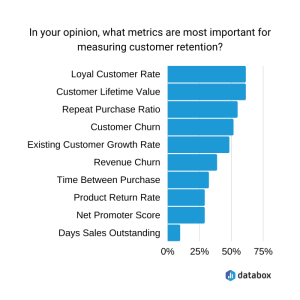
Understanding and measuring customer retention success is crucial for any business aiming for sustainable growth. It’s not just about acquiring new customers; it’s about fostering loyalty and turning one-time purchases into lasting relationships. This exploration delves into the multifaceted world of customer retention, examining key metrics, behavioral analysis, effective strategies, and the pivotal role of customer service. We’ll uncover actionable insights to help you not only measure your success but also significantly improve your customer retention rates.
From defining success through quantifiable metrics like customer lifetime value (CLTV) and churn rate to implementing targeted strategies based on customer segmentation and feedback analysis, we’ll cover a comprehensive framework for optimizing your customer retention efforts. We’ll also explore how to effectively communicate your successes to stakeholders, ensuring alignment and continued investment in these crucial initiatives.
Analyzing Customer Behavior for Retention
Understanding customer behavior is crucial for effective retention strategies. By identifying key indicators of churn and segmenting customers based on their behavior, businesses can proactively address potential issues and strengthen customer relationships. This analysis allows for targeted interventions, maximizing the impact of retention efforts and ultimately improving the bottom line.
Key Behavioral Indicators Predicting Customer Churn
Predicting customer churn involves monitoring several key behavioral indicators. Early identification of these signals allows for timely intervention and potentially prevents customer loss. Analyzing these indicators provides a proactive approach to retention.
- Decreased Engagement: A significant drop in website visits, app usage, or product interaction suggests waning interest and potential churn.
- Reduced Purchase Frequency: A noticeable decrease in the frequency of purchases indicates a potential loss of customer loyalty and a higher risk of churn.
- Negative Feedback: Negative reviews, complaints, or low customer satisfaction scores signal dissatisfaction and a heightened risk of churn.
- Support Ticket Volume: An increase in support tickets, particularly those expressing frustration or dissatisfaction, can indicate underlying issues leading to churn.
- Account Inactivity: Prolonged periods of inactivity on accounts, especially after a period of active engagement, may indicate a loss of interest and potential churn.
Customer Segmentation Based on Retention Behavior
Segmenting customers based on their retention behavior allows for tailored retention strategies. This targeted approach improves efficiency and effectiveness compared to a blanket approach. The following table illustrates a potential framework for customer segmentation.
| Segment Name | Retention Behavior | Characteristics | Retention Strategy |
|---|---|---|---|
| Champions | High retention, high engagement | Frequent purchases, positive feedback, high LTV | Loyalty programs, exclusive offers, personalized communication |
| Loyal Customers | High retention, moderate engagement | Regular purchases, generally positive feedback | Targeted promotions, product updates, occasional personalized offers |
| At-Risk Customers | Low retention, low engagement | Decreased purchase frequency, negative feedback, low interaction | Proactive outreach, targeted support, special offers to re-engage |
| Churned Customers | Low retention, no engagement | No recent purchases, negative feedback, inactive accounts | Win-back campaigns, surveys to understand reasons for churn |
Utilizing Customer Feedback for Retention Improvement
Customer feedback is invaluable for understanding customer needs and improving retention. Surveys and reviews provide direct insights into customer satisfaction and areas for improvement. Analyzing this feedback helps identify and address potential churn drivers.
Examples of effective survey questions include:
- “On a scale of 1 to 5, how likely are you to recommend our product/service to a friend or colleague?” (Net Promoter Score)
- “What is the primary reason you chose our product/service?”
- “What could we do to improve your experience with our product/service?”
- “Are you satisfied with the level of support you received?”
Feedback analysis techniques include:
- Sentiment Analysis: Utilizing natural language processing to determine the overall sentiment (positive, negative, or neutral) expressed in customer feedback.
- Topic Modeling: Identifying recurring themes and topics within customer feedback to pinpoint areas needing improvement.
- Qualitative Analysis: Manually reviewing customer feedback to identify specific issues, concerns, and suggestions.
Improving Customer Retention Strategies
Effective customer retention is crucial for long-term business success. It’s significantly cheaper to retain existing customers than to acquire new ones. This section explores various strategies to improve customer retention, comparing different approaches and outlining a comprehensive plan for implementation. We will also examine the critical role of a robust customer feedback loop in continuously refining retention efforts.
Comparison of Customer Retention Strategies
Choosing the right customer retention strategy depends on your specific business and target audience. However, several common and effective approaches exist, each with its strengths and weaknesses. Understanding these differences allows for a more strategic and effective implementation.
- Loyalty Programs: These reward repeat customers with discounts, exclusive access, or points redeemable for rewards. Strengths include increased customer engagement and repeat purchases. Weaknesses can include high implementation costs and the potential for program complexity to deter participation.
- Personalized Communication: Tailoring communication to individual customer preferences and behavior fosters a stronger connection. Strengths lie in increased customer satisfaction and loyalty through relevant and timely interactions. Weaknesses include the need for robust data collection and analysis, as well as the potential for personalization efforts to feel intrusive if not carefully managed.
- Proactive Customer Support: Addressing customer issues before they escalate demonstrates care and builds trust. Strengths include improved customer satisfaction and reduced churn. Weaknesses may include increased resource requirements for proactive monitoring and support.
Designing a Comprehensive Customer Retention Strategy
A multi-faceted approach is often the most effective. This strategy combines several tactics to create a holistic system that addresses various customer needs and touchpoints.
- Understand Your Customers: Conduct thorough customer segmentation to identify key characteristics, needs, and pain points. This informs targeted retention efforts.
- Implement a Loyalty Program: Design a program that offers tiered rewards and incentives, rewarding frequent purchases and engagement. Consider offering exclusive content or experiences for higher-tier members.
- Personalize Communication Channels: Utilize email marketing, in-app messages, and other channels to deliver personalized messages based on customer behavior and preferences. This ensures that communications are relevant and timely.
- Provide Proactive Customer Support: Implement a system for monitoring customer interactions and proactively addressing potential issues. This might involve using chatbots for immediate support or proactively reaching out to customers who show signs of dissatisfaction.
- Gather and Analyze Customer Feedback: Regularly solicit feedback through surveys, reviews, and direct communication. Analyze this data to identify areas for improvement in your products, services, and customer interactions.
- Continuously Improve and Iterate: Regularly review and refine your retention strategy based on customer feedback and performance data. This ensures that your efforts remain effective and aligned with evolving customer needs.
Implementing a Customer Feedback Loop
A continuous feedback loop is essential for ongoing improvement. This iterative process ensures that your retention strategies remain relevant and effective.The feedback loop can be illustrated as follows:Customer Interaction (e.g., purchase, support request, survey response) –> Data Collection (e.g., survey results, support tickets, website analytics) –> Data Analysis (identifying trends, patterns, and areas for improvement) –> Strategy Adjustment (modifying loyalty programs, improving support processes, personalizing communication) –> Implementation of Changes (updating systems, training staff) –> Customer Interaction (repeat cycle).
This cyclical process allows for continuous improvement and adaptation.
The Role of Customer Service in Retention
Exceptional customer service is paramount to fostering customer loyalty and significantly reducing churn. It’s not merely about resolving issues; it’s about creating positive experiences that build lasting relationships and encourage repeat business. A company’s reputation is often built on the quality of its customer interactions, and positive word-of-mouth referrals are a direct result of exceptional service.Customers who feel valued and understood are more likely to remain loyal, even when faced with minor inconveniences or competing offers.
Conversely, negative experiences can quickly drive customers away, leading to lost revenue and damage to brand reputation.
Measuring Customer Service Effectiveness in Driving Retention
Measuring the impact of customer service on retention requires a multifaceted approach. Key metrics provide valuable insights into areas for improvement and demonstrate the return on investment in customer service training and improvements. Analyzing these metrics allows for data-driven decisions to optimize strategies and enhance the customer experience.
| Metric | Description | Interpretation | Example |
|---|---|---|---|
| Customer Satisfaction (CSAT) Score | Measures customer satisfaction after an interaction. Typically uses a rating scale (e.g., 1-5 stars). | High scores indicate positive experiences, while low scores highlight areas needing improvement. | A CSAT score of 4.5 out of 5 suggests high customer satisfaction with the service provided. |
| Net Promoter Score (NPS) | Measures customer loyalty and willingness to recommend a company. Based on a single question: “On a scale of 0-10, how likely are you to recommend [company] to a friend or colleague?” | Higher scores indicate stronger loyalty and a greater likelihood of retention. | An NPS of 70 indicates strong customer loyalty and high likelihood of retention. |
| Customer Effort Score (CES) | Measures the ease with which customers can resolve their issues. Typically uses a rating scale (e.g., 1-7). | Lower scores indicate easier resolution processes and higher customer satisfaction. | A CES of 2 out of 7 shows that customers found resolving their issues relatively easy. |
| Resolution Time | Measures the time taken to resolve a customer issue. | Shorter resolution times generally indicate more efficient processes and improved customer satisfaction. | An average resolution time of under 24 hours shows efficient handling of customer issues. |
Training Customer Service Representatives
Effective training is crucial for equipping customer service representatives with the skills and knowledge to handle customer issues effectively and build strong relationships. A comprehensive training program should cover various aspects of customer interaction and problem-solving.
A well-structured training program should include the following:
- Product Knowledge: In-depth understanding of the company’s products and services.
- Communication Skills: Active listening, clear and concise communication, empathy, and conflict resolution techniques.
- Problem-Solving Techniques: Systematic approaches to identifying and resolving customer issues efficiently.
- Technology Proficiency: Familiarity with CRM systems, ticketing software, and other relevant tools.
- Company Policies and Procedures: Understanding of company guidelines and protocols for handling customer requests.
- Empathy and Emotional Intelligence Training: Developing the ability to understand and respond to customer emotions effectively.
- Role-Playing and Simulations: Practicing real-life scenarios to build confidence and improve handling of challenging situations.
- Ongoing Coaching and Feedback: Regular feedback sessions to identify areas for improvement and provide ongoing support.
Ultimately, measuring customer retention success isn’t just about numbers; it’s about building strong, enduring relationships with your customers. By understanding and implementing the strategies discussed – from defining clear goals and analyzing customer behavior to leveraging effective customer service and implementing a robust feedback loop – businesses can transform their customer retention performance, driving sustainable growth and profitability. The journey to exceptional customer retention is an ongoing process of refinement and adaptation, requiring consistent monitoring, analysis, and a commitment to providing exceptional value and experiences.
FAQs
What is the difference between customer retention and customer loyalty?
Customer retention focuses on keeping customers, while customer loyalty implies a deeper emotional connection and repeated engagement.
How can I improve customer retention without significantly increasing costs?
Focus on improving customer service, personalizing communication, and leveraging existing data to understand customer needs better. Small, targeted improvements can yield significant results.
What if my customer churn rate is consistently high?
Conduct a thorough analysis to identify the root causes. This may involve surveys, feedback analysis, and reviewing customer interactions to pinpoint areas for improvement.
How often should I measure my customer retention metrics?
Regular monitoring is key. Monthly or quarterly reviews allow for timely adjustments to your strategies. The frequency depends on your business model and the volatility of your customer base.